
Women in Construction: Barriers and Opportunities

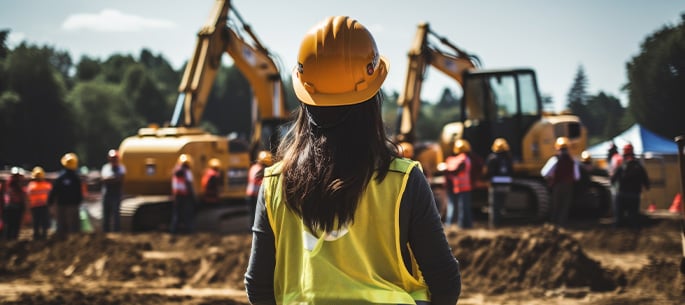
Women are an important and growing part of the construction industry. They bring new ideas and strong leadership, even though there are still few women in this field.
Women make up almost 25% of the construction workforce, yet they have put in much effort to help build the industry we have today. One such leader is Angela McWhirter, the co-owner of McWhirter Steel, who has navigated this industry for 34 years.
The challenges of the 1990s were very different from today. "The construction industry in the early 90s was male dominated," she recalls. Entering the steel fabrication and erection trade at 21, she found that respect wasn't given—it was earned "through a consistent willingness to learn and put in the work." Her determination reflects many women's experiences, as they often feel they must work harder to gain the same respect as men.
Barriers still exist
Research shows that many women still face obstacles their male coworkers may not. Reports from groups like Girl Contracting show that some workplaces still struggle with creating a diverse yet equal environment. Other tough realities include:
- A persistent pay gap, with women earning about 95.7% of what men earn
- Fewer opportunities for advancement
- PPE designed mainly for men, which can lead to poor fit and safety hazards
- Sexual harassment and other unprofessional behavior
Understanding these experiences helps the industry become a place where women can feel supported and valued throughout their careers.
Progress and partnership
While safety problems are a still big issue, the construction industry is improving. Since 1992, McWhirter has seen "great progress in more women taking on management and leadership roles." Supporting this progress requires more than policies; it requires a "team" mentality.
As McWhirter Steel anticipates another great year, she says that the most important factor is "working together and not against each other."
Building a workplace where everyone can thrive
Companies play a major role in creating a fair and inclusive workplace. They can help by creating a culture where respect and fairness are non-negotiable. That includes offering:
- Mentorship and leadership programs
- Skill-building opportunities
- Clear policies that support diversity, equity, and accessibility
One major group supporting these efforts is the National Association of Women in Construction. The organization offers training, networking, mentorship, and strong educational programs.
Better ideas, better teams, better outcomes
The construction industry is stronger when it welcomes diversity. Having more women leads to better ideas, better teamwork, and better results. Everyone can help by supporting events for women, learning about fairness and equity, or pushing for policies that create more opportunities.